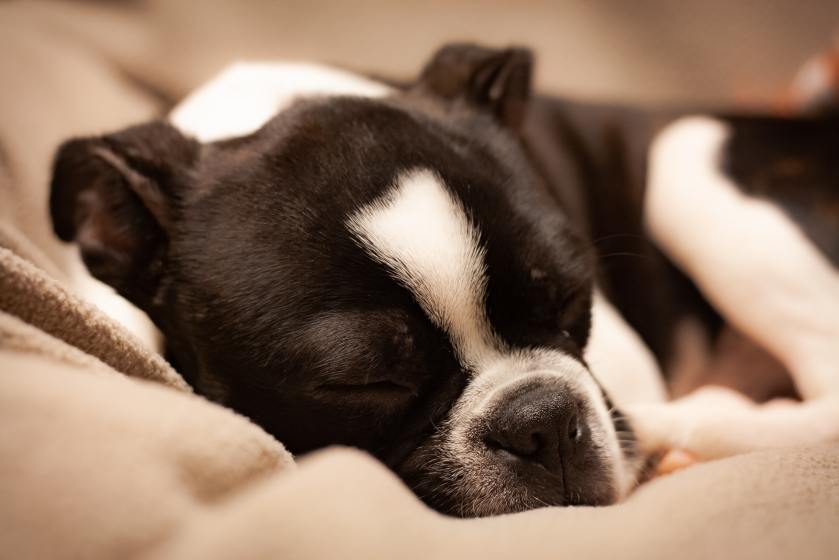
I slept with a pet for decades. It was both cozy AND crazy. Paws in my face and hair. Other parts ended up in my face too. Parts that you wouldn’t typically want staring at you. It didn’t destroy my sleep, but it didn’t optimize it either. Then I became a sleep therapist and started wondering more about what effects sleeping with a pet had on my health.
Some people swear that they sleep better when they have their pet in bed with them. They feel safer, calmer, etc. And I do believe that they receive this psychological benefit. Sometimes it is also a practical benefit. Dogs, particularly, are both space heater and armed guard. Cats? Not so much. They offer more psychological support, but it is support nonetheless. But what we think is good for us and what is happening physiologically can also be opposites. Pets can damage the quality and the quantity of our sleep without us being fully aware of it. Blaming the garbage truck, another bed partner, or our full bladder for our insomnia might be off the mark. It could be our pet that is both our emotional support AND our source of sleep problems.
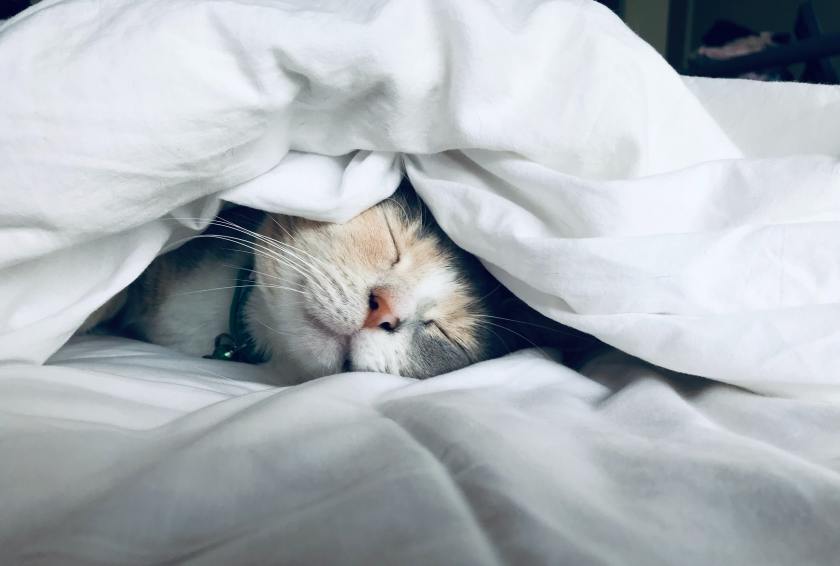
Some people are aware of exactly how their pet damages their sleep by waking them repeatedly, or by making it harder to be comfortable in bed. And being physically uncomfortable will always damage your sleep. Sleeping with creatures that don’t share our physiology means we automatically create challenges. Dogs are biphasic sleepers, meaning that they sleep with longer breaks in between. Breaks in which they want to eat, poop, pee, or play. Cats are nocturnal animals. They are sleeping with us by choice (no cat does anything because they are told to!), not by following their true nature. They choose to synch with our schedules, but their biology compels them to want to be up and active when it is darkest out. They sleep a great deal during the day to compensate for the deep restorative sleep they aren’t getting in our beds.
What can you do when you know that your pet is damaging your sleep? You could find another way to feel cozy and connected, just like you do when you teach your kids to sleep in their own beds. Boost the daytime warmth and develop increasing interest in their own pet beds, while you work on feeling good about being separated from them for the night.
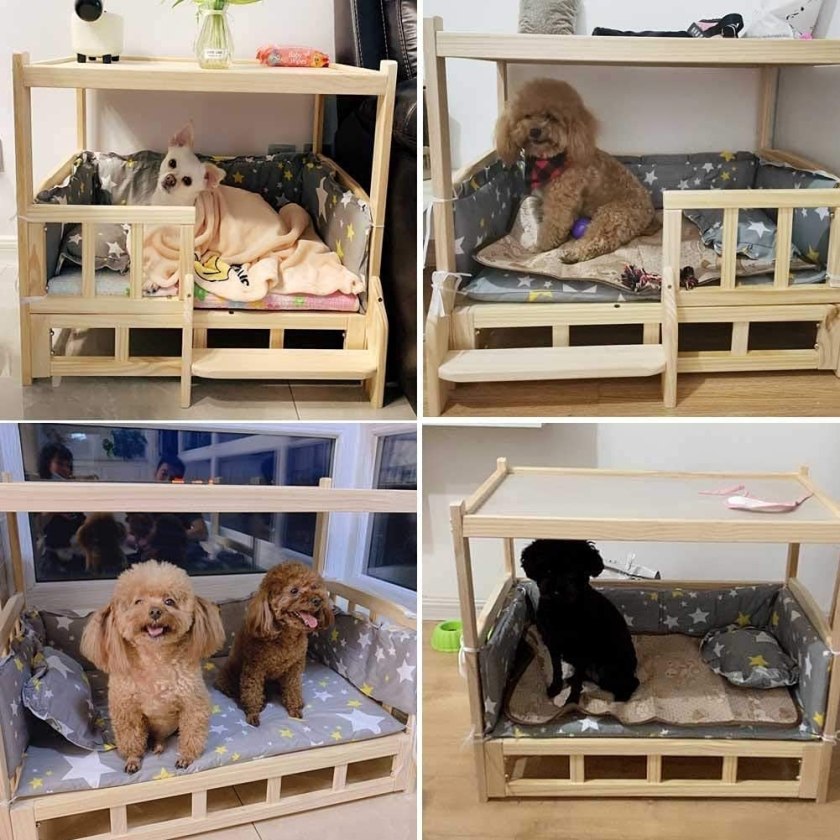
There are pet beds that are really wonderful for your pet. Cats love warmth, so a heated bed strongly appeals to them. These can be plug-in or use a microwaved insert that stays warm all night. Both big and little dogs can sleep next to your bed in a clever bedside table/dog bed combo that even comes with a step for older dogs!
Retrain your brain, instead of using willpower and self-criticism:
Make waking and rejoining the “pack” less of a treat so that both of you don’t inadvertently train your brain to sleep lightly in anticipation of the emotional boost. Your pet might embrace the habit of a late snack right before going into their own bed, instead of climbing into yours. Make the morning run with your dog or the evening cuddle with your pet a thing you really look forward to.
Need more help with your sleep and your bed partners? Contact me!
Send me a text or an email by going to the menu and clicking “Contact ” today.
There is no charge to discuss whether sleep therapy is right for you. Working on your sleep will change how you feel and how you think about your life. It is never too late to improve your sleep, and it is an investment in yourself.
We will come up with a plan that makes ALL of you feel good about sleep!
 360 Sleep Consulting