
Simple answer: Only if your current sleep quantity and quality could use a boost. If you wake refreshed at the same time every morning after 7.5-9 hours of continuous sleep (short pee breaks excepted) then you might not need an alarm clock.
Longer answer: If you have problems sleeping or don’t feel refreshed when awakening, using the right alarm and ditching the snooze function can be the cornerstone of getting better sleep.
Alarm clocks help us get up when we need to, but they also set our circadian rhythm on its path to triggering tonight’s sleepiness at the best time. Waking at the same time every day, weekends included, supports sleep and health. The studies are out there. This isn’t conjecture. And it could be the easiest action to take to improve your sleep.
I like that. Telling people to use a complicated routine is the fastest way to turn them off of sleep therapy. This is a “crockpot” strategy. Set it and forget it. Work with your body instead of against it. But use the sleep science to refine your actions and boost your success rate.
How to choose a clock
There are a lot of alarm choices out there. It used to be one choice: a little box with a clock face. Now you can have lights, phones, vibrations, and more. They will wake you with anything from your fave song to birdcalls to gradual illumination.
If your sleep is satisfying and long enough, be creative. Pick what appeals to you, because it probably won’t make much difference to your health.
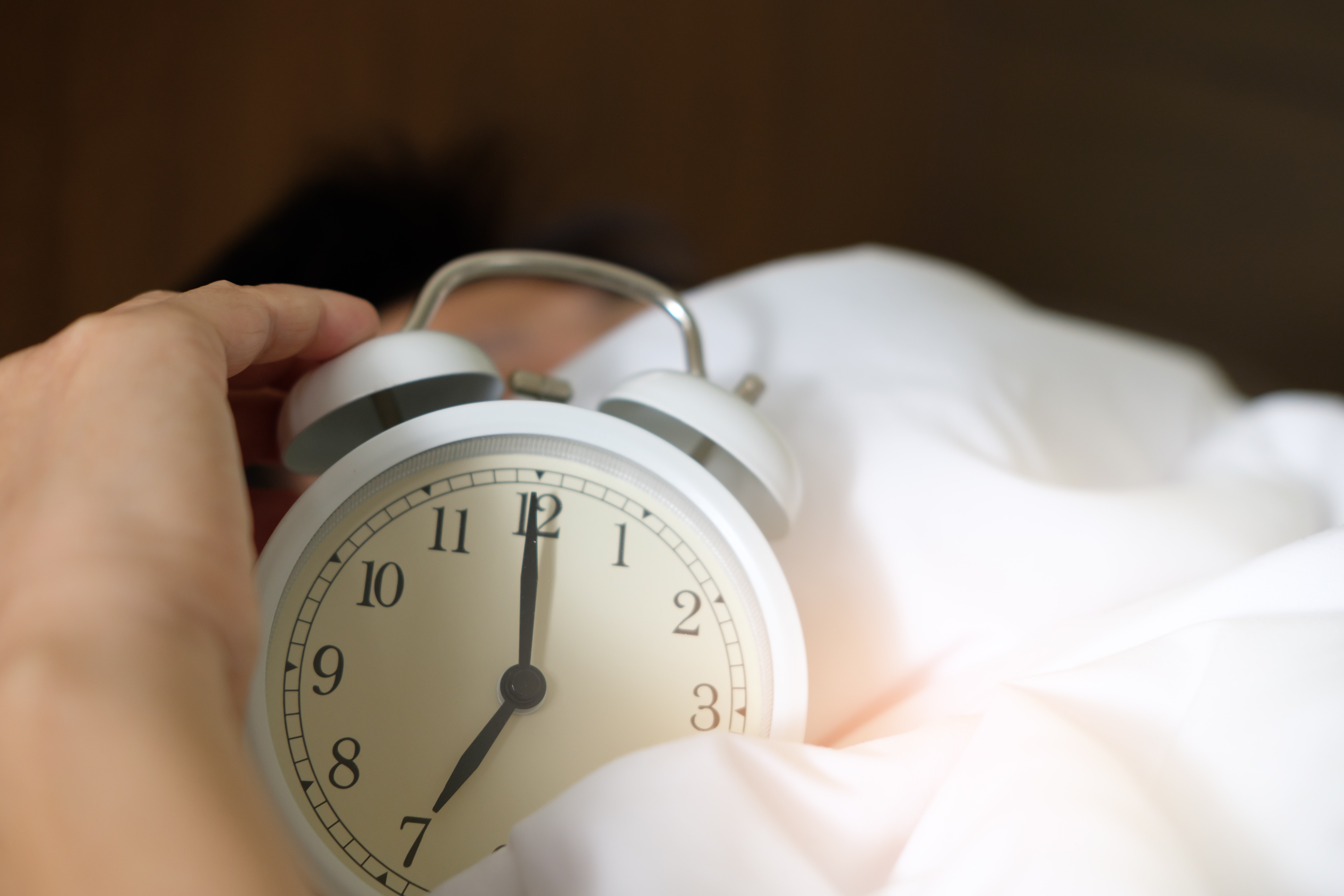
If you fail to wake quickly enough with gentle sounds or lights, you need something more intense. Remember; waking doesn’t mean that you won’t be fully awake right away. That is normal. Your brain is shifting brain wave states and coming to fully alertness. You may shuffle around the house a bit and even feel slightly disoriented.
Some people prefer not to hear a harsh buzz or even the first notes of a song. For people with cardiac issues or dysautonomia, which we see with POTS and sometimes with long COVID, that could be an undesirable physical shock. That is fine; there are alerting choices that won’t be so intense. Many alarm clocks offer a variety of frequencies and patterns. Find one that is alerting enough without shocking your system or putting you in a grouchy mood first thing in the morning. If your bed partner tells you that your new “gentle dawn” clock has been at full light for 30 minutes and you just opened your eyes, it isn’t doing much for you.
If you fail to wake with TWO loud alarms, you should probably be wondering why you sleep so soundly in the morning that you cannot rise without shock. This automatically has me thinking medications are sedating you or you are experiencing such a severe sleep deprivation from little sleep in the preceding nights that your brain is “starved” for sleep. The third option is a medical sleep disorder or the prodrome to something neurological. That requires a physician’s evaluation, so tinker with the other two first. That way your doctor will have a clearer path for their evaluation procedures.
Where do I place an alarm clock?
That depends on how you respond to it. If it is next to your bed and once you shut it off you get up, done and done. If you ignore it, then it needs to be far enough away that you must rise out of bed to turn it off. If you can go across the room, turn it off, and get back into bed, then you need something like an app that makes you answer a series of questions before it shuts off. Or the clock that has mag tires and rolls around the floor to be caught by YOU! Don’t forget that any device that has an illuminated screen should be dimmed in some way to lower the amount of light in your bedroom. You can turn the light to the wall, cover it with an adhesive dimming film, or adjust the illumination on the the clock.


 360 Sleep Consulting