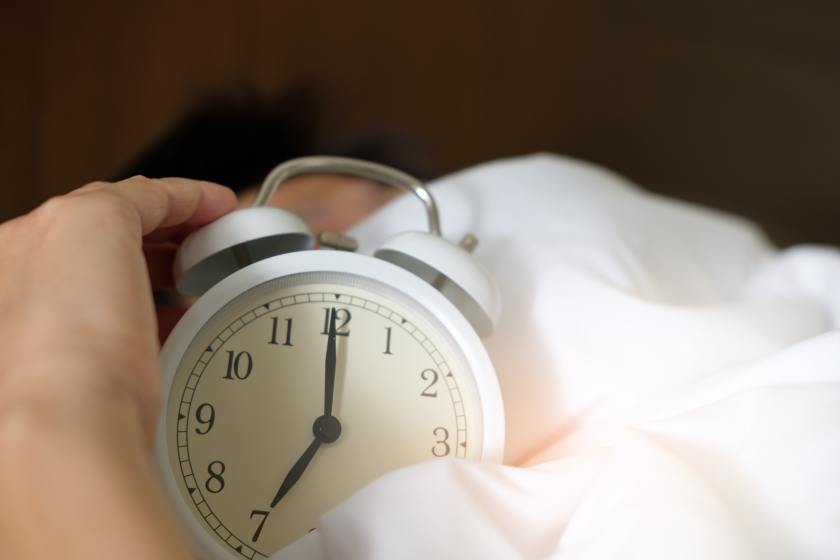
That is a phrase I heard Dr. Matthew Walker use to describe, well, most of us with insomnia. He is on the staff at UC Berkeley’s sleep program. It refers to being wide awake but exhausted at bedtime.
We “release” into sleep. We must sufficiently drop the worries of the day in order to get to sleep and stay asleep. Or we don’t sleep much or very well. Disturbing dreams and the inability to fall back asleep are the consequences of being unable to disconnect from the challenges of our awake lives.
What can you do?
Using CBT-i strategies, I teach my clients the 5 most effective evidence-based strategies to let the day go so that they can sleep. This works well for many clients, but there are additional things we can do to reduce the effects of anxiety in order to get better sleep.
Some clients also need to work on making their daily routines support sleep. Matching their routines to their body’s chronotype (circadian pattern) as well as their specific sleep needs makes falling asleep easier. The older we get, the more we need to work with our chronotype rather than against it.
A client may also need to expand their wind-down routine, making it longer or more layered. Adapting the bedroom environment to maximize sleep removes another barrier to rest. We do this together, because there is no benefit in reinventing the wheel. Sleep therapy is not guiding someone through a manual. It is tailored to the person like a well-made suit.

Using the science and receiving targeted support is the most effective way to improve sleep problems that are not the result of a medical condition. And even if there is a medical condition, most people have to alter some bad habits they picked up along the way to being diagnosed and treated. CPAP users, this means YOU!
Want more information on improving your sleep? We can work on this together!
Contact me: www.360sleepconsulting@gmail.com

 360 Sleep Consulting
One thought on “Are You “Wired and Tired”?”